
Afterword. Typefaces to look at / Images to read
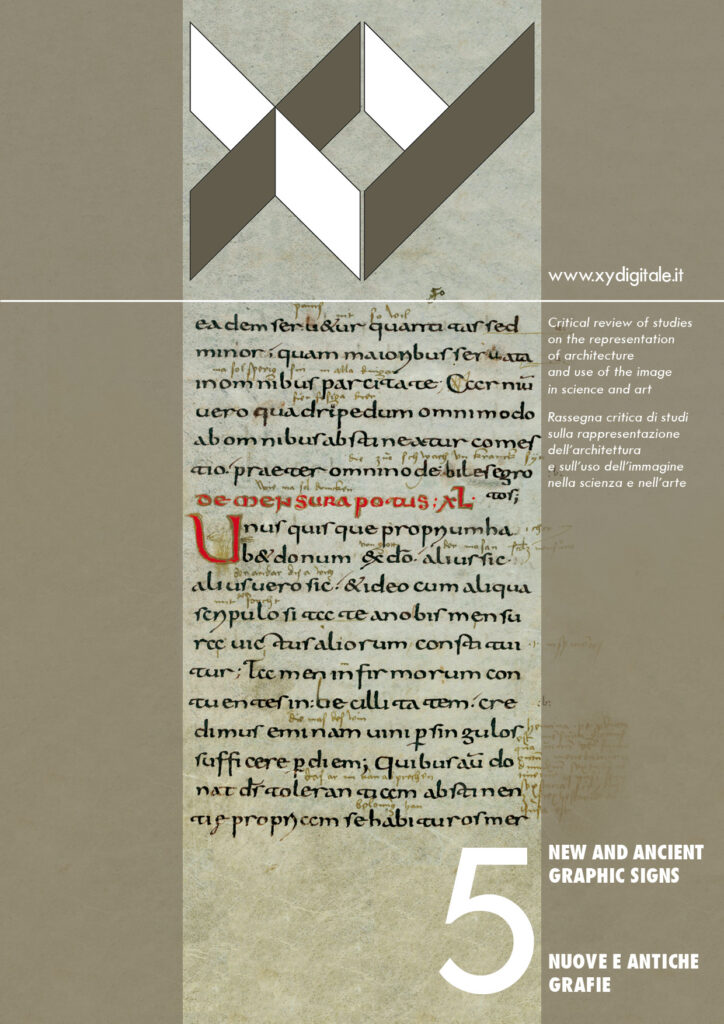
Esperanto, graphic archetypes, biophilia
Today we have the idea that the iconic language is that of the computer age, based on a symbol of decipherable meaning with a global immediacy, part of a virtual world that has definitively ferried humanity on the banks of that long–awaited Esperanto wanted by Ludwik Lejzer Zamenhof, with very beneficial effects, but that in […]
Contemporary characters. Three artistic writings between enterprise and communication
In a cultural context in which Umbria embodies the cliché of “green and medieval” region and is best known for the bucolic landscapes and historical architectures, the business group comprised of the three companies Perugina (confectionery production), Buitoni (pasta production) and Luisa Spagnoli (textile production) offers a decisive contribution to placing the region at the […]
The characters of power. The power of the characters
Typefaces have the power to enhance the traditional communication process activated by graphic signs. Indeed, in addition to transmitting meaning starting from the decoding of the signifier, they are able to communicate further information through the peculiarities and the recognizability of their sign. The different typographic characters suggest imagery, encourage mental connections with ideas and […]
Framing space in Aztec writing: the Codex Mendoza as a model of transposition and beyond
The paper deals with the emergence of complex textual structures through use of non sequential, multilayered spatial arrangement of graphic pictorial units in Aztec writing. The analysis of non–transcriptive and non–glottic writing systems can be an interesting field of research for the designers aiming at finding notational solutions able to “transpose” (in the sense of […]
Typography, scale and body: commercial lettering and signboards in the small Spanish shop trade of the 20th century
The urban ecosystem, as a built system, is permanent and rigid, relegated to a continuous anachronism. The small shop, on the other hand, is agile and changing, attentive to fashion and technology. Because of its autonomy and ephemeral nature, it draws and redraws the bases of the architecture in which it is grounded, generating an […]
Typographic DNA of Place / Idiosyncras(cities)
The ubiquitous nature of lettering and typography in Irish towns and cities offers a representation of both visual landscape and cultural heritage. These marks and glyphs, both analogue and digital as they appear contextualised in their environment become semantic guides and cultural signifiers informing identity and place. Geographically located one hundred miles apart and politically […]
Editorial. WYSIWYG: the solitude of the first letters
In his editorial, Paolo Belardi reflects on the role of typefaces and symbolic icons in contemporary visual culture. Beginning with Steve Jobs’s experience with calligraphy at Reed College and the revolution introduced by the Macintosh, the text explores how fonts and graphic interfaces have transformed the everyday relationship between design, image and communication. The spread […]